
Suppliers and Manufacturers Take Different Approaches to Fuel Crisis
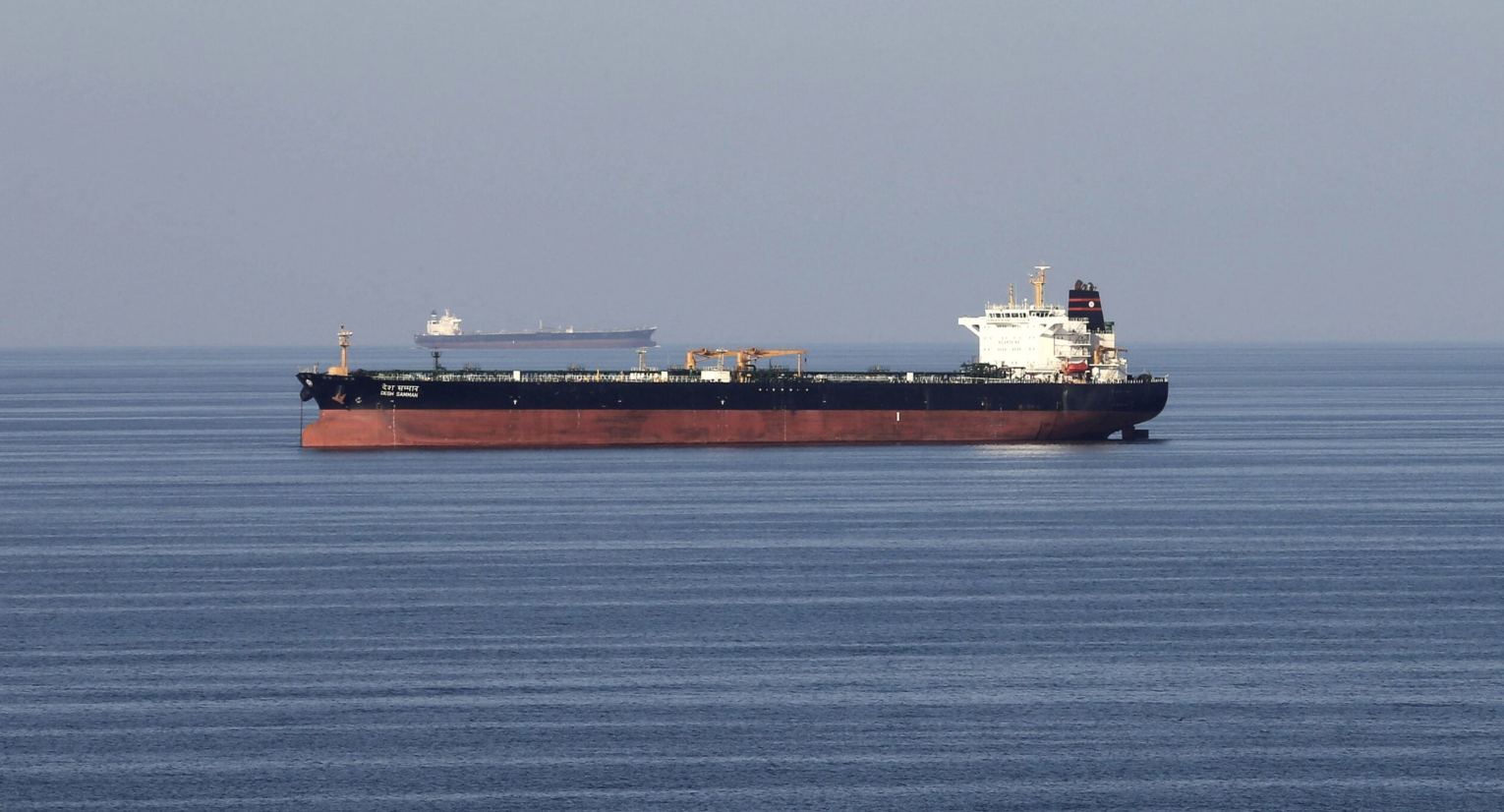
No one can say with confidence how the current United States/ Iran conflict will unfold. What began as a regional military escalation has quickly evolved into a global economic stress test, with oil supply disruptions and rising fuel prices injecting volatility into markets and supply chains alike. Analysts warn that the duration of the conflict will determine whether the impact is short-lived or deeply structural, but the consequences are already visible in higher energy costs, inflationary pressures, and disrupted trade flows.
Supplier association Visual Connections has been speaking with members who are major material suppliers and technology providers to the print, sign, graphics, and display industries to ascertain what steps, if any, are being taken in response to this evolving situation, and what the likely short- and long-term impacts may be.
The feedback received can be divided into three categories: those adopting a ‘wait and see’ approach, those who have announced they will need to act in the near future, and those that have already acted by informing customers that prices will increase across some categories.
1. Wait and See
A number of suppliers and manufacturers are currently adopting a ‘wait and see’ approach. They acknowledge that increased fuel and transportation costs are impacting manufacturing and supply operations, but it is a setback they are willing to absorb for the time being.
The reality of the situation is that even if hostilities ceased immediately, it would still take many months to restore refining infrastructure, process crude oil and liquefied natural gas, and reroute shipping.
2. Increases Are Coming
Feedback indicates that most suppliers and manufacturers anticipate it will be necessary to pass on increased costs to their clients but have not yet done so. This appears to be the general consensus. Prices for substrates, inks, and hardware are expected to rise within one to two months.
One respondent noted they had already been in contact with their customers, stating:
“We are actively working with our global supplier partners to mitigate these impacts wherever possible. This includes reviewing alternative supply options, forward purchasing where appropriate, and maintaining close communication with manufacturers regarding pricing intentions. At a local level, rising fuel costs have an immediate impact on our freight costs. We are working closely with our freight partners to mitigate future impacts.”
Another respondent who has also reached out to customers said:
“While supplies of some of our essential materials will not be affected, supplies such as washes and IPA are now critical.”
The same respondent added:
“Global pressures are beginning to influence international supply chains, particularly affecting shipping costs and raw material pricing, including key resin-based materials.”
They have advised customers they are:
“Taking every possible step to minimise the impact of these increases. However, due to the scale of the global disruptions, cost increases in the coming months will be inevitable.”

3. Price Readjustments Announced
It has been noted that one supplier has publicly stated that prices will be increasing, with changes taking effect on October 1. It is understood that this course of action will be followed by some other suppliers. The question remains: how long can price increases be delayed?
It is clear that the cost of substrates, inks, hardware, and other essential industry equipment will rise. Some suppliers have discussed freight and logistics surcharges, energy related adjustments, shorter pricing validity periods, and even supply allocations. With this in mind, respondents are looking to introduce flexible pricing mechanisms, replacing fixed contracts with fuel indexed adjustments that move in line with market conditions.
In some cases, suppliers are partially absorbing transport and energy cost increases to preserve long term relationships. Others are extending payment terms or offering financing support, recognising that customers are facing simultaneous cost inflation across multiple inputs.
These measures do not eliminate price increases, but they help smooth volatility and provide customers with greater predictability in an otherwise unstable environment.
Causation
Rising fuel costs are already impacting domestic freight. The current conflict in the Middle East and the disruption to shipping through the Strait of Hormuz have significantly affected crude oil and liquefied natural gas (LNG) supply, as well as fertilisers.
As a result, ships are being rerouted. Standard insurance policies for vessels such as oil tankers typically do not cover wartime events unless operators pay significant premiums, such as war risk surcharges. Meanwhile, ports that remain operational are becoming congested due to the backlog of vessels forced to travel via alternative routes, creating a flow on effect across global supply chains.
The impact is particularly significant for the print, sign, and display industries because roughly 80% of oil passing through the strait flows to Asia. Nations such as China, India, Japan, and South Korea face severe energy security risks, potentially leading to fuel shortages and rationing. This will affect both material availability and pricing.
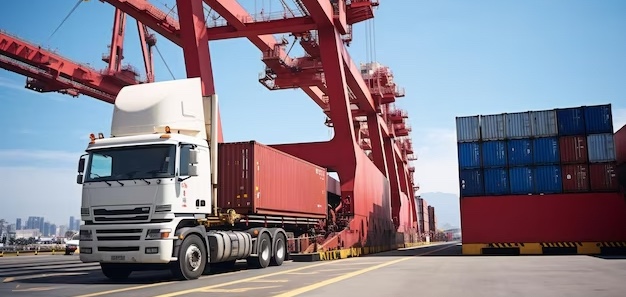
A major concern is damage to refinery and energy infrastructure in the region. Some analysts estimate that restarting shut down facilities could take several months, while fully rebuilding damaged sites may take up to three years. Even if hostilities end quickly, European leaders warn that economic and energy impacts could persist, further contributing to inflation and industrial costs.
Another factor driving cost increases is the 6.52% rise in iron ore prices. S&P Global modelling suggests a potential 11.3% increase in the global iron ore cost base, driven primarily by shipping and fuel price shocks. Additionally, operational costs for open cut mines are expected to rise significantly, as heavy equipment such as haul trucks and excavators relies almost entirely on diesel fuel.
A Structural Turning Point
There are indications that suppliers are rapidly diversifying sourcing strategies. A key question for Asian economies is whether, and how, they will shift away from reliance on the Middle East for petrochemicals and instead build relationships with producers in the Americas and other regions. Logistics networks are also being redesigned to bypass high risk routes, even at the expense of longer transit times or higher costs.
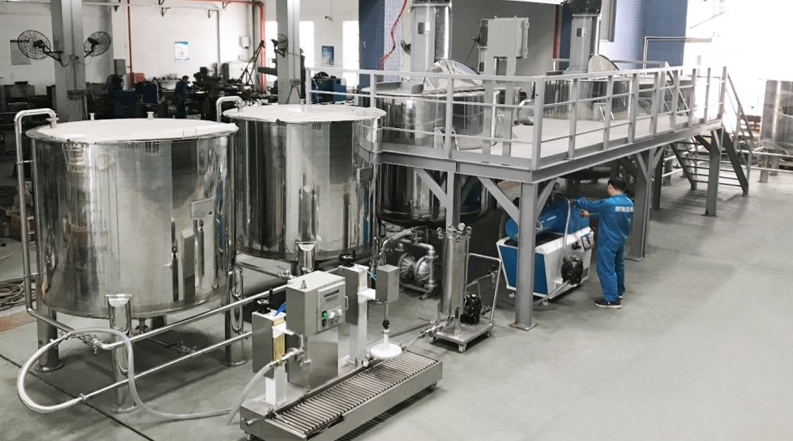
If Asian-based manufacturers supplying the print, sign, and display industries are forced to temporarily shut down production lines that rely heavily on constrained inputs, this may accelerate changes in ink and substrate chemistry. Others are discussing prioritising high-value or essential products, ensuring limited resources are allocated where they matter most.
The current conflict is also likely to reignite discussions around recycling and the sourcing of more sustainable, bio friendly materials and practices. The industry is now clearly exposed to how dependent it is on concentrated supply sources and petroleum-based inputs.
The defining feature of this moment is uncertainty. If the conflict is contained, many of these changes may stabilise into incremental improvements. If it persists, however, the current fuel crisis could mark a decisive turning point, reshaping how materials are sourced, produced, and delivered for years to come.
How to Proceed
The reality is that higher fuel prices and the impacts of the conflict will be with us for some time to come. Price increases are inevitable. Neither manufacturers nor local suppliers will be immune from these impacts.
The best way forward is to stay in close, open, and honest dialogue with your suppliers. Advise them of your projected requirements as early as possible and keep a close eye on their communications around any price increases or fuel levies so that you can build those into your own quoting.
This crisis will require all businesses – whether manufacturer, supplier, or producer – to do all we can to help minimise the impact of the increases to come. Working together will be the key.
to continue the conversation, join us on the Visual Connections LinkedIn page
Addendum
As of April 8 a ‘Two Week’ ceasefire has been announced by the Trump Administration. As a result, Iran has stated that it will allow passage through the Strait of Hormuz. The result of these statements has seen a significant drop in the price of crude oil, falling to below $100 in early Asian trading.
According to Oilprice.com, “The current price of West Texas Intermediate (WTI) crude oil today is $96.42 per barrel. The dramatic selloff came on the back of Trump committing to a two-week suspension of military operations against Iran if the country immediately restores safe passage through the Strait of Hormuz.”
Iran’s Foreign Minister, Abbas Araqchi, confirmed that Tehran would halt attacks provided strikes against Iran cease and transit through the Strait is coordinated by Iranian forces.
Iran has issued a 10-point plan that includes some conditions that may not be agreed to by the US Administration.
According to Clyde Russell, Asia Commodities and Energy Columnist, Reuters, “Iran's 10-point proposal certainly aims to cement effective control over the Strait of Hormuz, through which up to 20% of the world's crude oil, refined products and LNG move ... Control of the strait and unresolved issues around Iran's nuclear programme are likely to be challenging issues at talks, and the market optimism over the ceasefire may be tested if an agreement proves elusive in coming weeks.”
As stated at the start of this assessment, no one can say with confidence how the current United States/ Iran conflict will unfold. The situation is still volatile. If the drop in crude oil prices is reflected at the pump, it is possible to see temporary ‘rationing’ introduced to minimise the expected rush to buy fuel at potentially lower prices.
The reality is that disruptions from the effective closure of the strait are being felt way through supply chains, and physical markets in Asia are under stress and will remain so for months to come even if the Strait reopens fully.